


Blog
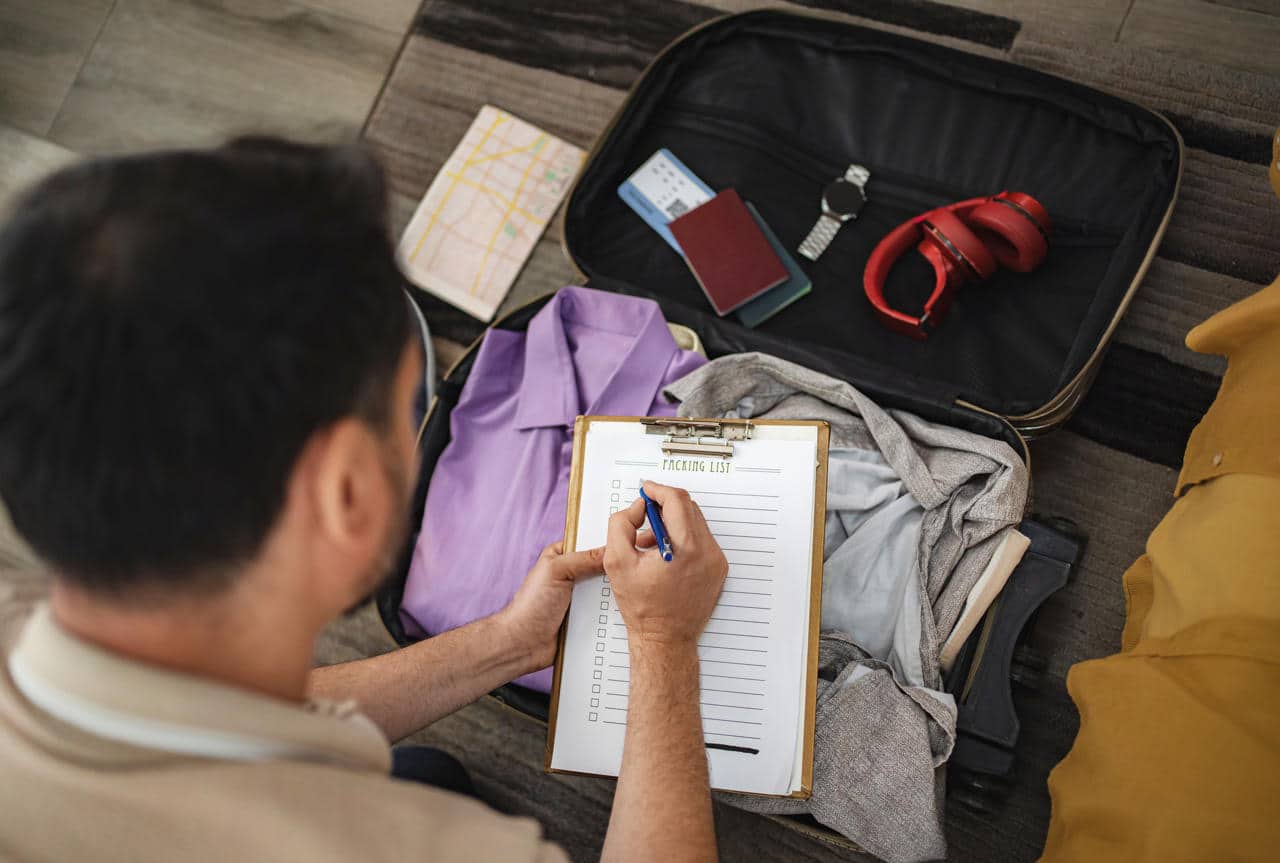
A practical packing list for business travel starts with five essentials: valid identification, work equipment, meeting clothes, personal care items, and anything you cannot easily replace at your destination. For a short business trip, a carry-on suitcase and a small personal bag may be enough, as long as your airline permits both.
The real challenge is not fitting more into a suitcase. It is making sure you can go from the airport to a client meeting, hotel, or conference with the right items available when you need them.
This guide covers what to pack, what deserves immediate access, and what can stay at home.
Start by matching your packing decisions to your trip’s demands.
| Trip detail | Packing decision | Why it matters |
| You have a meeting shortly after landing | Wear a meeting-appropriate outfit on the flight | Your suitcase may not be accessible immediately |
| You will present from your laptop | Carry an offline copy of your presentation | Internet access may be unreliable |
| Your hotel offers laundry facilities | Pack fewer duplicate garments | You can refresh clothing during a longer stay |
| You need specialized work equipment | Check airline restrictions before departure | Some items may require special treatment |
| You have several professional engagements | Bring one versatile outer layer | It can suit different indoor temperatures |
| Your airline has a restrictive fare | Check the baggage allowance for your exact ticket | A carry-on suitcase may cost extra |
Clothing can often be replaced locally. Access to your presentation, company systems, or meeting materials can be harder to restore.
Some business systems require a phone, authentication app, or physical security key to approve a login.
If your work laptop depends on a separate device, make sure you have both. Also confirm that your company permits the backup access method you plan to use.
Practical tip: Open your presentation offline before departure. Seeing the file in a folder does not guarantee that its charts, fonts, or linked content will display correctly.
Security note: If you’re carrying confidential documents or company devices, follow your employer’s security policies. Keep sensitive materials in your possession, use approved storage methods, and avoid leaving devices unattended at the airport or hotel.
Instead of packing an outfit for each calendar day, count the situations that require different clothing.
A three-day trip might include a client presentation, informal office meetings, and a business dinner. Those occasions can share several garments.
For a three-day business trip, including the clothes you wear in transit, consider:
Adjust quantities for formal evening events, exercise plans, laundry access, and your industry’s dress code.
This quick check can reveal a missing belt, an incompatible pair of shoes, or a shirt that doesn’t work with any of your trousers.
Extra insight: Look at your clothes under bright light before packing. Some fabrics become more transparent in strong light, and minor stains are easier to spot.
Ask yourself what would prevent you from doing your job if your suitcase became inaccessible for a few hours. In most cases, the answer includes:
Keep these in your personal bag whenever size and security rules permit, so you still have them if the airline checks your suitcase at the gate.
If your first meeting begins soon after landing, add a spare shirt and a small personal care pouch. Clothing, spare shoes, and nonessential accessories can usually stay in the carry-on suitcase.
For international flights, confirm passport and entry requirements for your destination and any transit country. Requirements vary by nationality and itinerary.
Keep the toiletry kit to products you already use, and check the liquid rules before you pack them. For flights departing from U.S. airports, the TSA’s standard 3-1-1 rule works like this:
Rules may differ at airports outside the United States. Consult the security authority for your departure airport rather than assuming the same restrictions apply worldwide.
A formal presentation may justify a stain-removal pen or compact lint roller. Adhesive bandages are worth packing if you’ll spend the whole day in dress shoes.
Leave anything that doesn’t match an appointment on your calendar at home.
The reason for your trip changes what you need to pack.
Bring any physical materials that the meeting requires, such as printed handouts or product samples. If you need specialist demonstration equipment, confirm its size, weight, and airline eligibility.
For a conference or another corporate event, your badge or registration confirmation deserves a place alongside your work credentials.
If you expect to stand for long periods, choose shoes you have already worn successfully for similar activities. New shoes can cause blisters during a full day of sessions.
If your trip includes team-building activities, read the description first rather than assuming ordinary office clothing will work.
For example, an indoor climbing session requires athletic clothing, and a cooking workshop may have footwear rules. Ask the organizer about any equipment the provider supplies.
A business trip may involve more than a single destination. You might land at San Diego International Airport (SAN), visit a client office in Carlsbad, attend a meeting downtown, and check in at your hotel later.
Carrying a suitcase through several appointments can become tiring, particularly when you also have a laptop and presentation materials.
If your itinerary includes multiple professional addresses, planning a corporate transfer may be relevant alongside your packing decisions. Confirm where your luggage will go between appointments and when you will have access to it.
The FAA requires spare lithium batteries and power banks to stay in cabin baggage, not checked luggage. Before you fly:
A good carry-on is not the one with the most clever accessories. It is the one that contains what your itinerary requires, with nothing extra competing for space. Before you close it, look at your first appointment and the forecast at your destination one more time, since those two details decide most of what belongs inside.
Share this: