
Blog
Temecula is two destinations that happen to share a name. One puts you in a car between vineyards, winding through oak groves and ranch land. The other puts you on foot in a historic district. Antique shops and wine bars share a block with a 48-seat concert venue inside a restored 1890s brick building. The two run on completely different clocks, and most first-timers get the math of fitting both into one afternoon wrong.
Both are in Temecula, both involve wine, and that’s roughly where the similarities end. Wine Country is a car trip through wine properties spread across multiple corridors. Old Town is a walkable historic district you cover on foot. Different geography, different rhythm, different time of day.
| Category | Wine Country | Old Town |
| Best for | Winery visits, vineyard settings, longer tastings | Food, live music, dancing, history, ghost tours |
| Geography | Multiple corridors east of I-15 | Walkable historic district |
| Wine | Estate tasting rooms | Available; not the reason people come |
| Works best | Late morning through afternoon | Late afternoon into evening |
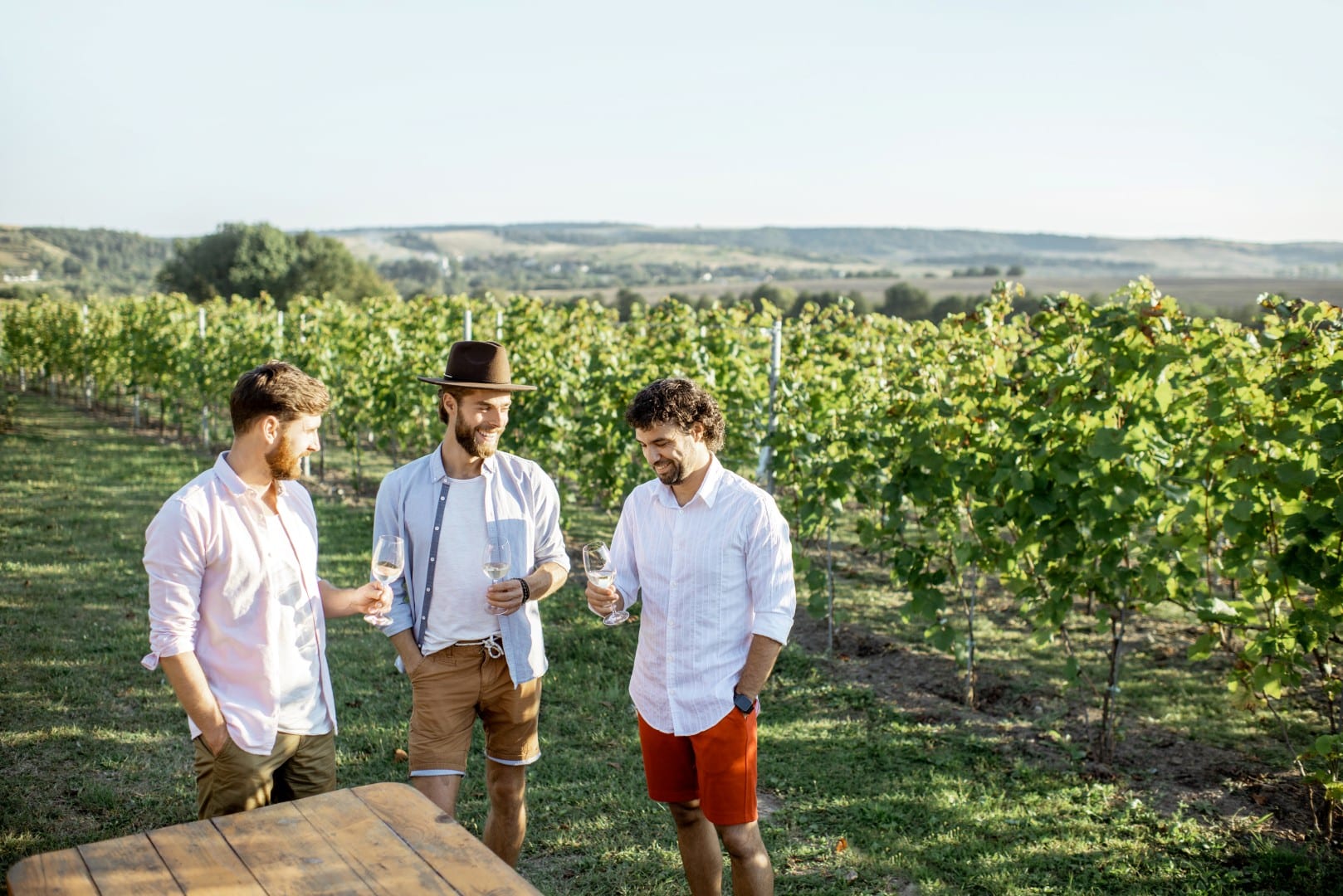
Wine Country is where the word “estate” actually earns its meaning. You’re on the property that grew what’s in your glass, looking at the vines from the tasting room, which is not something a downtown wine bar can replicate.
Three main corridors fan out east of I-15. Rancho California Road is the most established, with several large properties and winery restaurants. Ponte Winery and Leonesse Cellars both run a full kitchen through lunch, and weekday visits draw noticeably smaller crowds if the date is still flexible.
De Portola Wine Trail runs south through equestrian ranch land, with family-owned wineries across a less-trafficked stretch of the valley. At Oak Mountain, you can descend 104 feet underground into Southern California’s only subterranean mined wine cave for a cave tour and tasting, which somehow doesn’t make most Temecula winery lists.
Calle Contento takes more intention to reach than the other two, but Falkner Winery alone makes the extra miles worth it. The real question across all three is which properties sit on the same stretch of road, so the day doesn’t become a logistics problem between stops.
Old Town Temecula is the part of Temecula people tend to assume will take an hour. Front Street is the slower-paced side, with antique shops and the Temecula Olive Oil Company in a restored 1890s building. The Temecula Valley Museum is one block from Front Street, covering the region from its Pechanga roots through the ranch era. The restaurants here feel like the neighborhood is the actual customer, not an add-on to a winery day.
Old Town after 4 p.m. is a different proposition. Front Street carries most of it, and Baily’s has been running fine dining on this overlooked stretch since 2004, which is either brave or onto something. The Swing Inn Cafe has been on the same block since the 1920s, and Dean Norris took it over with his wife Bridget in 2022. Most people know him as Hank from Breaking Bad, which is not the usual backstory for a Temecula lunch counter.
Main Street meets Old Town Front Street at the district’s busiest point after dark. The Merc seats 48 people for live shows that feel more like a living room than a venue. Temecula Stampede, a few blocks from that intersection, is the louder answer to the same evening, with a 4,000-square-foot dance floor and a mechanical bull. Ghost tours of the historic district start after dark, and the 21-plus Booze and Boos version is how most groups end the night.
Old Town is compact enough to cross in 15 minutes, which doesn’t stop most people from spending a full evening there. Most visitors stay close to that intersection and never reach the rest of Front Street. The difference between a quick stop and a full evening here is almost entirely a function of how far you walk from that corner.
Five winery reservations plus an Old Town dinner doesn’t let you experience both. Three wineries is already a full tasting day. Every stop involves arrival, check-in, a tasting, possibly a meal, and browsing the shop. Do that five times, and you’ve worked through a checklist, not seen Temecula.
Two days in Temecula is the more honest version of this itinerary. Wine Country on day one, Old Town the next. That’s how the destination actually breathes.
If you’re short on time, the choice is not that complicated:
Wine Country begins a short drive east of Old Town, but actual drive time depends on which winery you choose. Properties farther along Rancho California Road, De Portola Road, and Calle Contento add meaningful driving time between them. The geography is genuinely the easy part. Every property-to-property move within Wine Country means driving, finding parking, and restarting the arrival process, and that compounds quickly.
If the trip runs two days, Wine Country fits better on a weekday. Crowds on Rancho California Road thin out noticeably, and tasting reservations are easier to land. Old Town makes more sense on a weekend. The live music calendar fills out, and the Stampede saves its bigger nights for Saturdays, so the split writes itself.
For a one-day version, getting from Wine Country to Old Town is the easy transition. The harder question is which two wineries to commit to so the afternoon still has room. The wine route is where prearranged transportation changes the equation. A group that isn’t driving between stops gives each one its full attention, not the parking lot.
Two days in Temecula is how this trip is supposed to go, one stretch at a time and one district after dark. Wine Country gets a full day on its own, and Old Town earns more than a rushed stop at the end. Split them properly, and neither becomes a footnote. One day still works, and if your group is coming from San Diego, the drive up is already part of the equation. Either version lands better when you stop treating one as an afterthought.
Share this: