

Blog
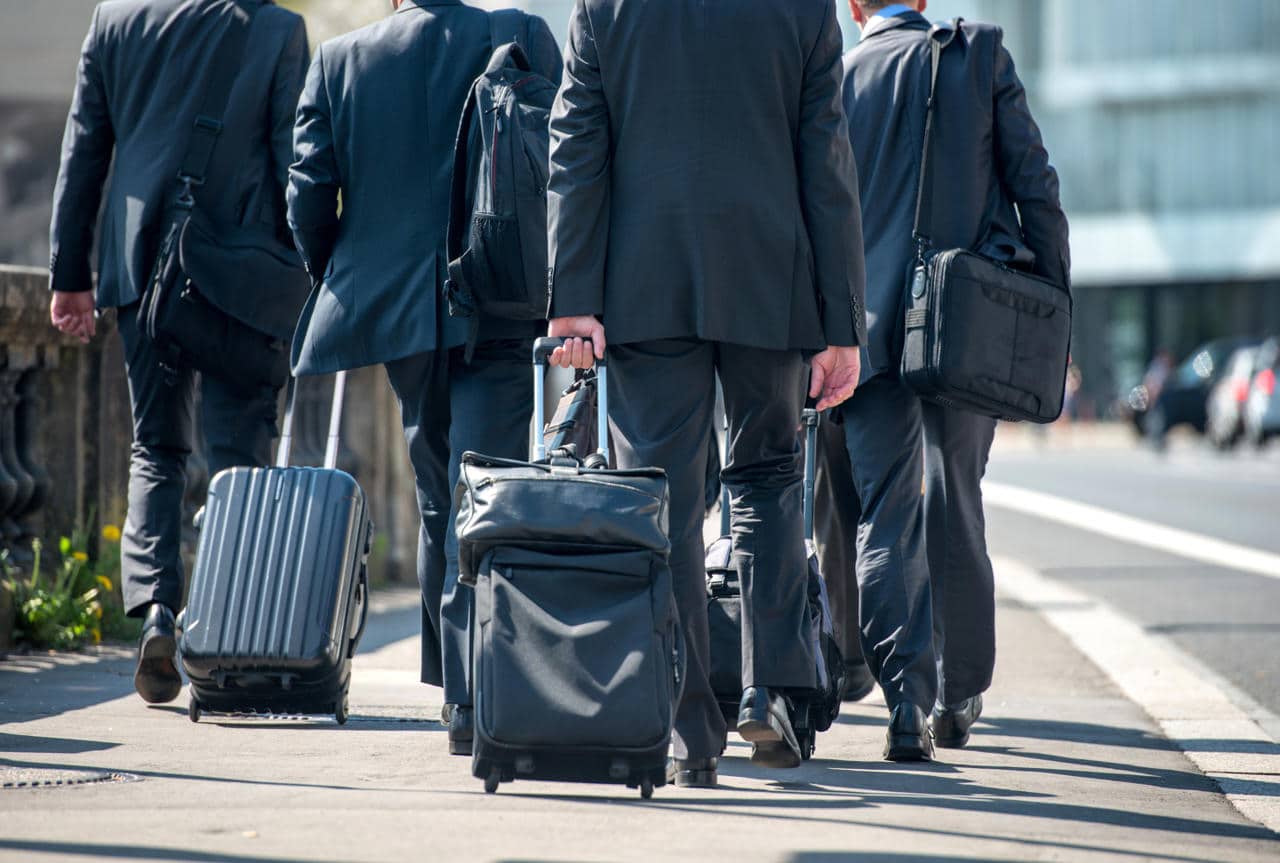
You land for a Thursday conference and wrap up by Friday afternoon. Then, instead of racing to the airport, you give yourself the weekend. That small decision has a name: bleisure, a blend of business and leisure. The industry increasingly calls it blended travel. It covers anything from a hike after a sales pitch to flying in early for a Monday kickoff.
The London consultancy The Future Laboratory first identified the term in 2009, and the habit has gone mainstream since. In a 2025 American Express survey of 1,000 U.S. business travelers, 81% said they had extended a business trip for leisure during the previous year. Most of those extensions are modest, too, with booking data from Navan putting the average at about two days.
Unlike bleisure, which adds personal time to a business trip, a workcation means working remotely from somewhere you’d otherwise visit for a break. The two overlap, but they start from different intentions.
A few shifts made the idea easier to say yes to:
The idea even reaches high-pressure trips. On a week of investor meetings across several cities, the final stop makes a natural place for a weekend. The team flies home from there anyway, so the break adds no new flights.
The change goes beyond staying an extra night. Employees now have to consider personal expenses alongside corporate bookings, while employers need clearer rules for reimbursement, insurance, and time off. A trip that once ended with the final meeting may now involve two separate plans: one for work and another for the days that follow. Those two plans are what the rest of this comes down to: getting the extra days approved, knowing who pays, and deciding what to do with them.
Policies still vary a lot, and some companies have pulled back on blended trips. Read your company’s guidelines before you book anything. Managers who approve these requests usually worry about three things: knowing where employees are, tracking who pays for what, and insurance.
A request that answers those concerns up front has a better chance:
For most employees, taxes barely factor in. W-2 workers generally cannot deduct unreimbursed trip costs on their federal returns. State returns can differ, though. California did not follow that federal change, so a California filer may still be able to claim those costs. Either way, your company’s reimbursement rules matter far more than the tax treatment.
If you’re self-employed or run the business, the IRS draws a clear line:
A tax professional should confirm the details for your situation.
For plenty of people, the best part of an extended trip is the company. When children come along, conferences that end before a three-day weekend or a school break make the simplest windows. A partner’s costs generally count as personal, unless that partner also works for the company and has a genuine business reason to attend. When a partner or children fly in after the business portion, the last session may still be running as they land. Decide ahead of time who will meet the family at the airport and how everyone reaches the hotel.
A conference in San Diego shows the pattern clearly. Home to Comic-Con International each July, the convention center sits on San Diego Bay, steps from the Gaslamp Quarter. San Diego International Airport sits about 3 miles northwest of downtown, although convention traffic can slow the drive from the airport to a downtown hotel. Average highs sit near 77°F in August and 66°F in January, which makes an outdoor day realistic in almost any season.
Two conference days can grow into four:
With a third free day, a slower three-day loop through the city can add Little Italy, North Park, and the cliffs near Ocean Beach. Even if you skip that third day, by Sunday evening you’ve attended the conference, explored Balboa Park, and walked the La Jolla coast. Two extra days have turned a routine conference trip into a chance to get to know San Diego.
Share this: