
Blog
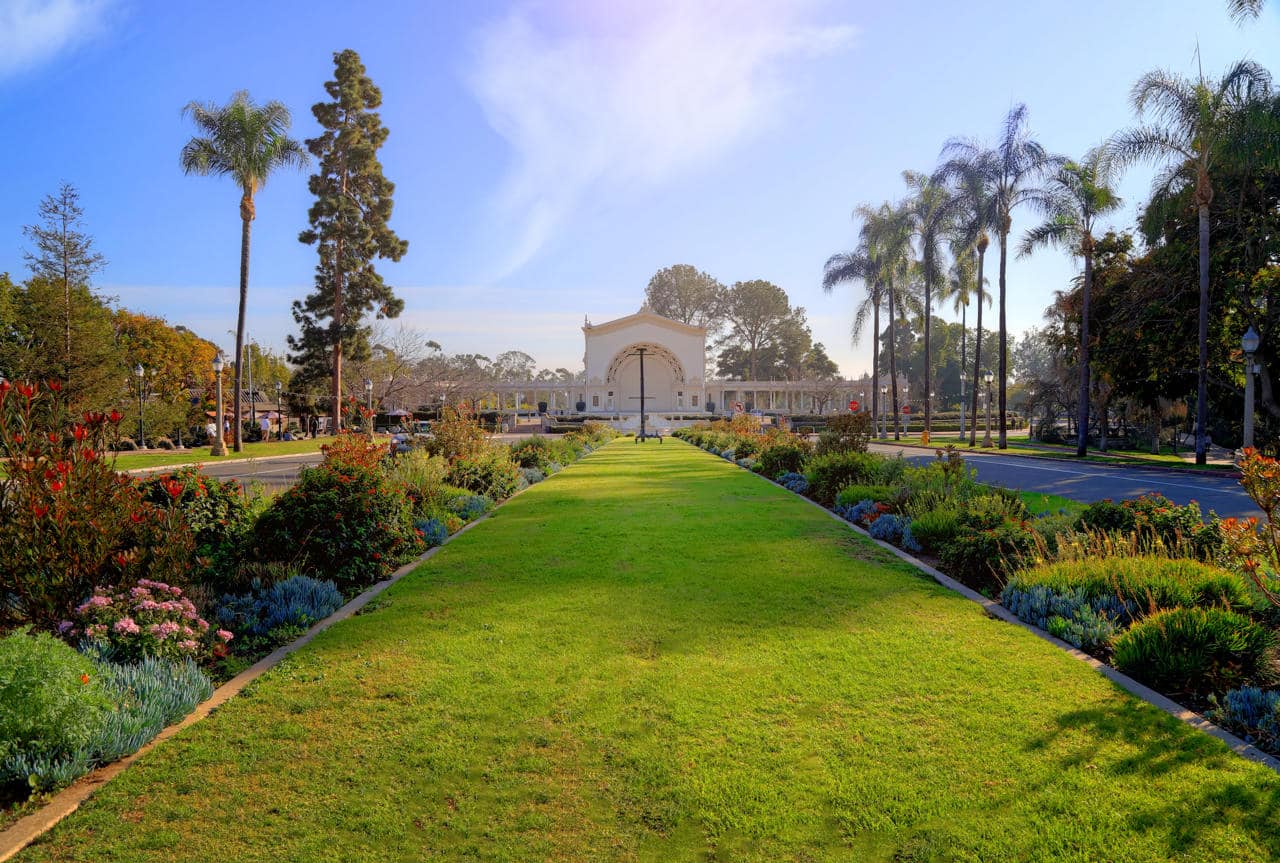
The prettiest corners of Balboa Park are the ones most visitors walk past. A sunken butterfly garden with a scandalous past. A tropical canyon steps from the busiest plaza. Palaces that were never supposed to outlast a single summer.
Most people photograph the towers, tour a museum, and leave thinking they saw the place. They saw maybe a third of it. The best of Balboa Park sits just off the main promenade, and the crowd walks right past it.
Here is where the regulars actually go, roughly in the order you would hit them.
The ornate palaces lining El Prado began as plaster showpieces for the 1915 Panama-California Exposition, built light, on shallow foundations, meant to come down when the fair closed. San Diego loved them too much to let them come down, so the city reconstructed them in lasting stone, generation after generation.
The “historic” facade in your photo is often a devoted reconstruction:
Once you know the walls are a love letter the city kept rewriting, they stop being a backdrop and become the attraction.
A row of sculpted figures looks down from the rooflines, “the ladies,” and they serve no structural role at all. The 1915 craftsmen carved them purely to amuse themselves and the passing crowds.
A century later, they are still up there, and nearly everyone strolls underneath and looks straight ahead. Tip your head back along this stretch and the whole park opens a second layer.
During the 1935 exposition, Zoro Garden was a nudist colony, an actual paid attraction where fairgoers peered at performers living au naturel. The city later turned it into something gentler.
What to know before you go down:
Steps from the busiest plaza, the ground drops into Palm Canyon:
Within a minute, the crowd noise disappears, and you are walking a jungle trail in the middle of a city park.
Planted under Kate Sessions, the “Mother of Balboa Park,” the Old Cactus Garden holds some of the largest, strangest succulents around, twisting, top-heavy, faintly cartoonish shapes. Local lore says Dr. Seuss, a San Diego resident, drew inspiration here for the plants in his books, and one look at the silhouettes makes it easy to believe.
Bonus almost nobody expects: walk a little south of the garden for a clean, open view of the downtown skyline.
Right beside the park’s most photographed bridge, Cabrillo Bridge, sits a public archery range, 40 targets plus a practice area, free and open to anyone. Thousands cross the bridge above and have no idea it is there.
You do not need to shoot to enjoy it. Watching archers work below the arches is the kind of odd, genuine moment the museum lines never give you.
Someone plays the Spreckels Organ, the largest outdoor pipe organ on earth, with more than 5,000 pipes, a few standing 32 feet tall. This has happened nearly every Sunday since 1915, rain included.
Balboa Park hands its finest moments to the people who wander off the main line.
The palaces, the canyon, the butterflies, the carved faces, and the odd little archery range all sit within a short walk of the crowds, hidden in plain sight, waiting for anyone curious enough to turn where everyone else goes straight. Give it a slow day, and the park quietly becomes the best thing you did in San Diego.
Share this: