

Blog
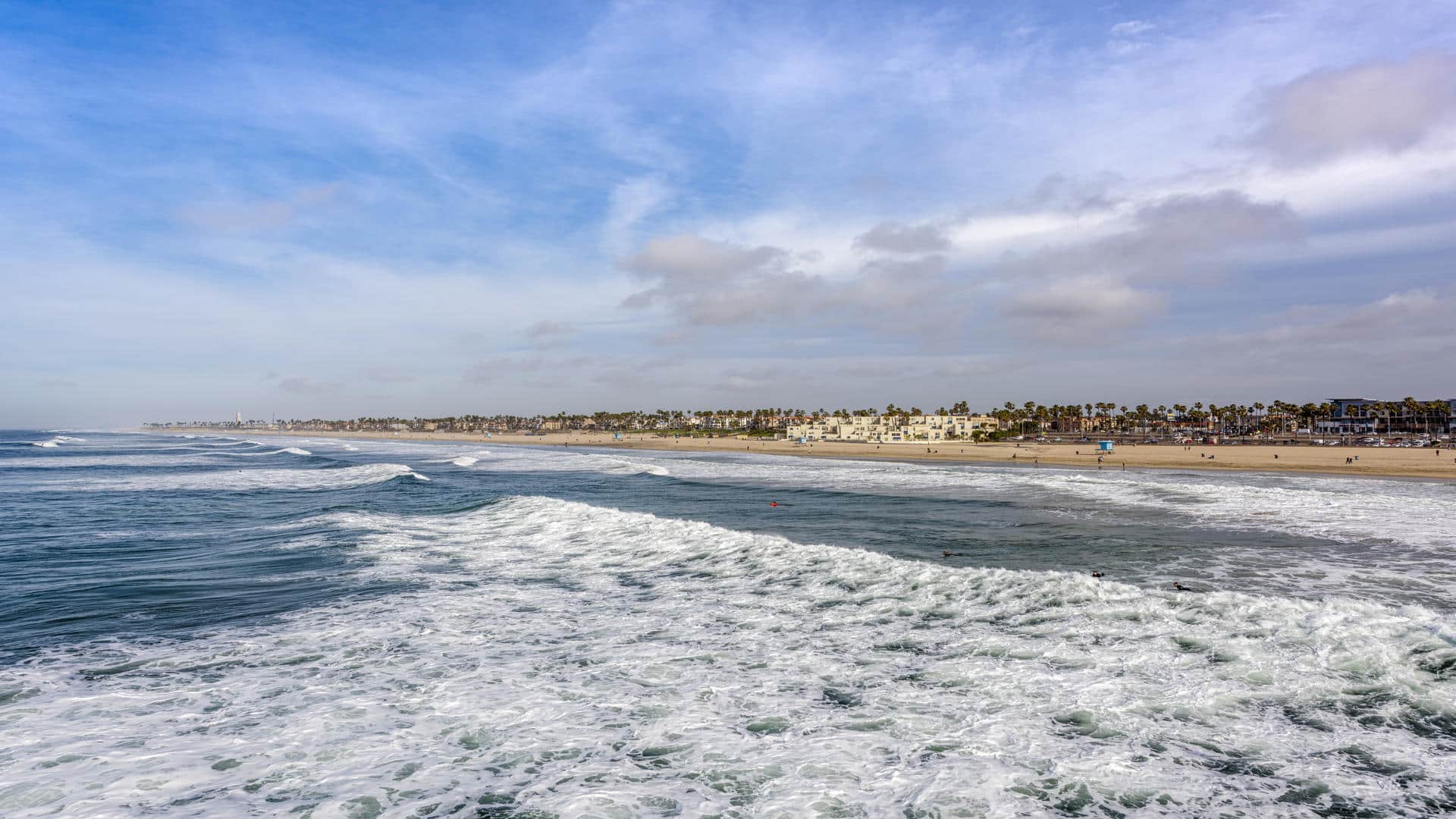
The beach is where you park. The town is where the day happens. Most write-ups of this coast treat forty miles of sand as the whole story and skip what sits behind it, which is how you end up with a tan and no memory of where you were. The good stuff is a few blocks inland: harbors with working boats in them, streets older than the state, and hillsides that put the whole coastline in one frame.
None of it takes much effort to reach. Orange County is small enough that two towns fit into an afternoon, and several of these places sit within five minutes of each other.
What follows is three towns worth the drive, views arranged by how much walking you’re prepared to do, and the combinations that work when you only have one day. Laguna Beach earns a mention too, though for what sits above the town rather than what’s on its sand.
There is a $600 million reconstruction underway at Dana Point, but you should go anyway.
Orange County owns the harbor. Dana Point Harbor Partners has held a 66-year ground lease since 2018, and the work has run in overlapping stages ever since. Marina reconstruction started first and is well past two-thirds finished. The commercial core around Mariner’s Village came later and is now the largest part, with demolition and rebuilding both underway.
What survives all of it:
The name is older than any of the construction. Richard Henry Dana Jr. anchored below these cliffs in 1835, collecting cattle hides carried down from Mission San Juan Capistrano four miles inland. There was no harbor then, so the hides went over the edge of the headland to the beach below. The town took his name, and the bluffs you climb for the view are the ones the hides came off.
Furthermore, individual businesses in the commercial core come and go with the seasons, so check ahead if you’re planning to go to a particular restaurant.
The easy version: harbor in the morning, Headlands for the view around midday, dinner back at the water. Half a day, and you never move the vehicle more than a mile.
Joe Beek won the Balboa Island ferry contract in 1919 and ran it with a passenger boat. A year later, the ferry started taking cars across the channel to the Balboa Peninsula, one at a time. His son runs it now.
Very little about the Balboa Island Ferry has changed since:
The crossing itself is 800 feet, which is the whole reason the service exists. Going around by road adds about six miles, and across a year the ferry keeps roughly 4.2 million vehicle miles off Newport’s streets.
That is also what nearly ended it. New state rules require short-run harbor boats to switch to zero emissions, and converting three diesel ferries costs far more than a family business can pay on its own. The state air board is covering roughly three-fifths of a twelve-million-dollar bill, the ferry is paying a bit over a third, and a regional air quality agency covers the rest. When it is finished, this will be the first fully electric ferry fleet in California.
The easy version: take the ferry across, walk down Marine Avenue, then take it back. It costs very little, takes about two hours, and children tend to remember it longer than the beaches.
San Juan Capistrano sits a couple of miles inland and predates its neighbors by roughly two centuries. Three things are worth your time there:
The station matters more than it might sound. You can arrive here by rail and walk to everything else on the list, which almost nowhere else in Southern California allows.
The easy version: visit the mission early while it’s still cool, have lunch in Los Rios, and catch an afternoon train back down the coast.
Most photographs of this coast are taken at sea level. The better views sit above it, and they range from no effort at all to a genuine climb.
Two rules apply to all three. Go late in the day, because summer haze washes out the view by lunchtime and the light improves considerably after 5 p.m. And read the parking signs at the Laguna trailheads, which sit on residential streets where the restrictions get enforced.
Three combinations work particularly well:
The distances between them are short, but the logistics are not, and you can lose much of the time you thought you had saved. The same thinking applies if you intend to visit two or three of these in a single day. Thinking through getting around Orange County before you leave can reduce time spent circling for parking or backtracking between stops.
Two of these places are caught mid-change, which makes right now a strange and rather good time to see them. One is a harbor being taken apart and put back together while its customers watch. The other is a fleet of diesel boats on their final run, replaced one by one by electric copies.
Go on a weekday if the choice is yours. The crowds thin, the streets open up, and the whole coast behaves better.
The same rule applies further south, incidentally. San Diego’s Balboa Park is a different place entirely despite the shared name, and most visitors see about a fifth of it and leave thinking they’ve done it.
Share this: